Being included in Vadodara’s Professional Directory as a Homoeopathic Consultant is truly a moment of gratitude for me.
But more than an achievement, it feels like a gentle reminder of the journey I am on — a journey that is still unfolding, still teaching, and still shaping me every single day.
These 3 years of practice have not just been about prescribing remedies; they have been about learning the art of patience. Homoeopathy, in its true sense, does not work in haste.
It asks for observation, understanding, and trust — both from the physician and the patient. And through every case, I have realised that healing is not a straight path, but a process that unfolds with time.
Each patient who walks in brings not just symptoms, but a story. A story that requires listening beyond words, perceiving beyond pathology, and connecting beyond prescriptions.
In these years, my patients have been my greatest teachers. They have taught me how to wait, how to observe subtle changes, and how to trust the principles laid down in classical homoeopathy.There have been challenges, moments of doubt, and cases that demanded deeper introspection.
But each such experience has helped me grow — not just as a practitioner, but as a learner. Because even today, I truly believe that I am still in the process of learning with every single case.Developing a mindful homoeopathic practice is not just about knowledge; it is about cultivating awareness, discipline, and sincerity.
It is about prescribing with responsibility, following up with patience, and aiming not just for relief, but for a true and lasting cure.
Being recognised in the Professional Directory is a reflection of this ongoing journey — a journey built on authenticity, consistency, and the trust of my patients.With deep gratitude, I move forward —Learning, unlearning, and striving to become a better homoeopath with each passing day 🌿✨
Homoeopathy, as founded by Samuel Hahnemann, is often described as a dynamic system of medicine that primarily focuses on the totality of symptoms and the individualistic expression of disease. However, the role of pathology in homoeopathic practice is both significant and indispensable. A true homoeopathic physician must skillfully integrate pathological understanding with symptomatology to ensure accurate assessment, prognosis, and ultimately, cure.
Homoeopathy and Pathology: The Relationship
In Organon of Medicine, Hahnemann emphasizes that disease is not merely a structural alteration but a dynamic disturbance of the vital force. Yet, he never dismisses the importance of pathological changes. Instead, pathology serves as a confirmatory and evaluative tool. Pathology helps the physician to:
Understand the extent and depth of disease
Identify tissue-level changes
Assess the reversibility or irreversibility of the condition
Formulate a prognosis
Thus, while the remedy is selected based on symptoms, pathology provides the clinical background and boundaries within which the remedy acts.
Why Pathological Assessment is Essential
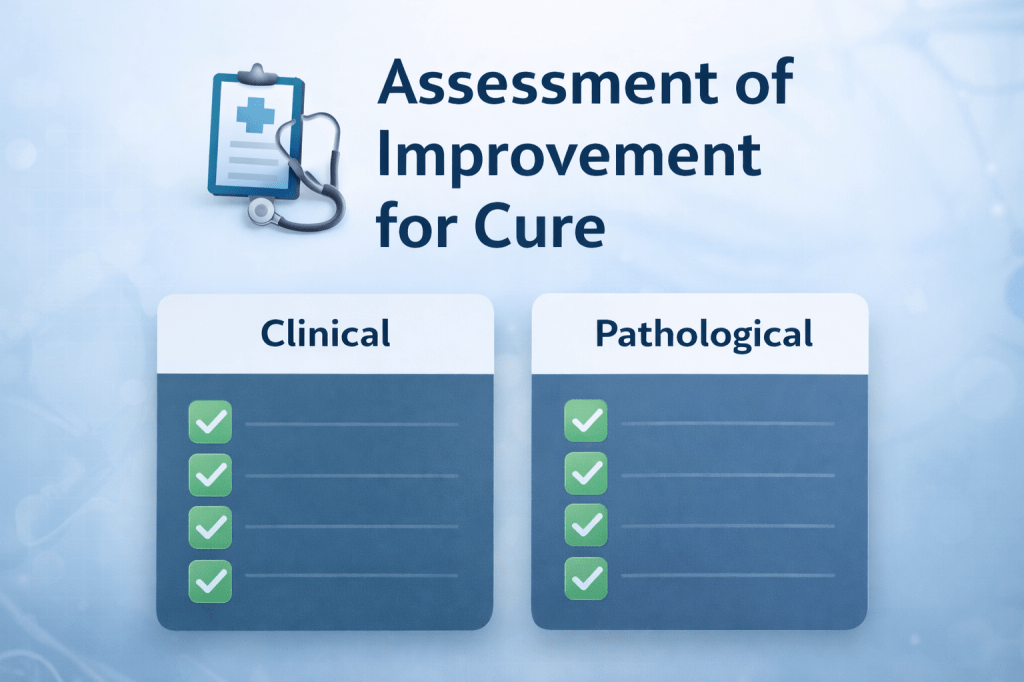
Modern homoeopathic practice cannot function in isolation from pathology. Clinical experience shows that symptomatic relief does not always equate to cure. A patient may feel better, but underlying pathology may persist. This is where a structured assessment—like dividing improvement into Clinical and Pathological—becomes crucial.
Clinical Improvement Relief in symptoms (pain, itching, breathlessness, etc.) Improved appetite, sleep, and energy Better mental and emotional state
Pathological Improvement Reduction in inflammation or lesion size Normalization of lab parameters Radiological evidence of healing
Hahnemann cautions against declaring cure prematurely.
According to the principles of the Organon, a case can only be considered cured when both subjective (clinical) and objective (pathological) improvements align.
Importance of the Clinical–Pathological Checklist
A homoeopathic physician must adopt a dual-check system:
✔️ Clinical – What the patient feels
✔️ Pathological – What the body shows
This checklist ensures:
Avoidance of false cure (symptoms gone, disease persists)
Prevention of suppression
Accurate follow-up and remedy repetition
Scientific validation of homoeopathic results
For example, in chronic diseases like arthritis, asthma, or PCOS, symptomatic relief alone is insufficient. Without pathological improvement (like reduced inflammation markers or normalized imaging), the disease may still progress silently.
Homoeopathy as an Integrative Science
Homoeopathy does not stand against pathology—it completes it. Pathology explains the “what” of disease, while homoeopathy addresses the “why” and “how” at a dynamic level.
A physician grounded in both:
Uses pathology for diagnosis and monitoring
Uses homoeopathy for individualized healing
This integration elevates homoeopathy from a symptomatic art to a complete scientific healing system.
Conclusion
The relationship between homoeopathy and pathology is not contradictory but complementary. As guided in the Organon, the physician’s highest aim is to cure—rapidly, gently, and permanently. This can only be achieved when improvement is assessed both clinically and pathologically.
A simple checklist of Clinical and Pathological improvement is not just a tool—it is a responsibility. It ensures that the cure is not superficial but deep, not temporary but lasting.In modern practice, a homoeopath who understands pathology is not deviating from Hahnemann—rather, they are fulfilling his vision in a more complete and scientific manner.
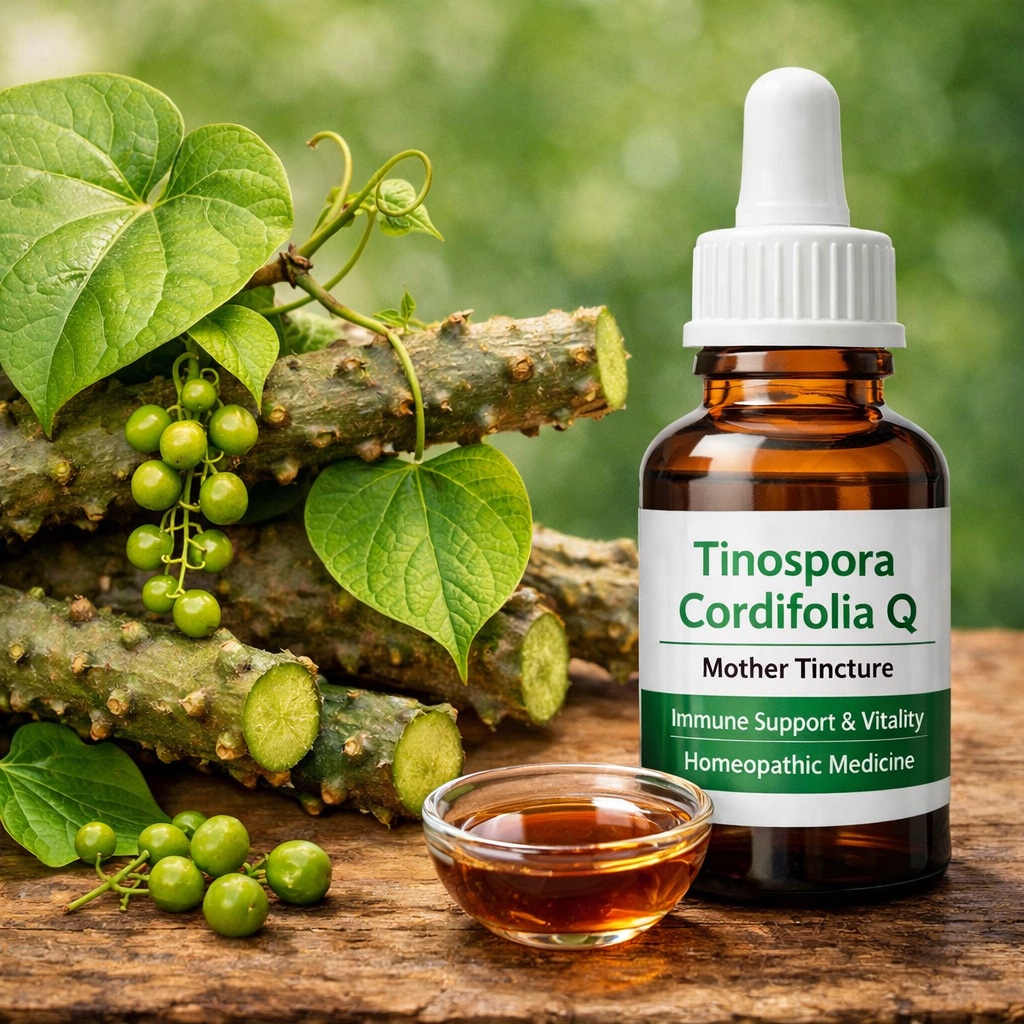
In India, Tinospora cordifolia, commonly known as Guduchi or Giloy, has been respected for centuries as a powerful medicinal plant. From traditional household preparations to its refined use in homoeopathy, this plant represents a beautiful bridge between traditional health wisdom and individualized medical therapeutics.
Guduchi in the Indian Household In many Indian homes, Guduchi is traditionally used as a daily health-supporting herb.
The stem is commonly boiled in water to prepare a decoction that families drink to maintain general health.
It is popularly used for: Improving immunity Managing recurrent fevers Supporting recovery from infections Promoting digestion and vitality
In traditional practice, Guduchi is valued as a “Rasayana” herb, meaning a rejuvenating substance that supports long-term health and resistance to disease. Many families keep the plant at home and use it during seasonal changes or viral outbreaks.
Homoeopathic Preparation and Perspective
In homoeopathy, the same plant is prepared as a mother tincture (Q) through a process of extraction and potentization according to pharmacopeial standards.
While the plant itself is already known for its health-supporting properties, homoeopathy uses it with a specific therapeutic intention based on symptom similarity and organ affinity.
The homoeopathic mother tincture of Tinospora cordifolia acts primarily on: The immune system The liver and metabolic processes The respiratory system The body’s defensive and adaptive mechanisms
It is often considered in conditions like Allergic Rhinitis, Bronchial Asthma, recurrent infections, and states of lowered immunity.
Similarity Between Household Use and Homoeopathic Use
Interestingly, the core concept remains similar in both traditions. Whether used traditionally or homoeopathically, Guduchi is primarily valued for its ability to:
Strengthen the body’s natural defense mechanisms
Improve resistance to infections
Support recovery and vitality
Help the body adapt to environmental stressors
Thus, the fundamental recognition of Guduchi as an immune-supportive and restorative plant is common to both systems.
What Homoeopathy Adds
Homoeopathy adds an important therapeutic dimension to this plant. Instead of simply using it as a general tonic, the homoeopathic approach applies it according to specific indications and individual patient needs.
Homoeopathic prescribing follows the principles described in the Organon of Medicine by Samuel Hahnemann, where medicines are selected based on the totality of symptoms and the body’s reaction patterns.
Through this approach, Tinospora cordifolia can act not only as a supportive remedy but also as a regulating medicine for immune imbalance, allergic tendencies, and recurrent inflammatory states.
Conclusion
Tinospora cordifolia beautifully illustrates how a traditional household remedy can also serve as a scientifically prepared homoeopathic medicine. While its everyday use in Indian homes supports general immunity, homoeopathy refines its application by using it therapeutically and individually, helping the body restore balance and resilience.
In this way, Guduchi stands as a symbol of continuity between traditional wisdom and modern homoeopathic practice, offering both preventive support and gentle therapeutic action.
In some cases, it is also used to support the body during chronic inflammatory conditions.
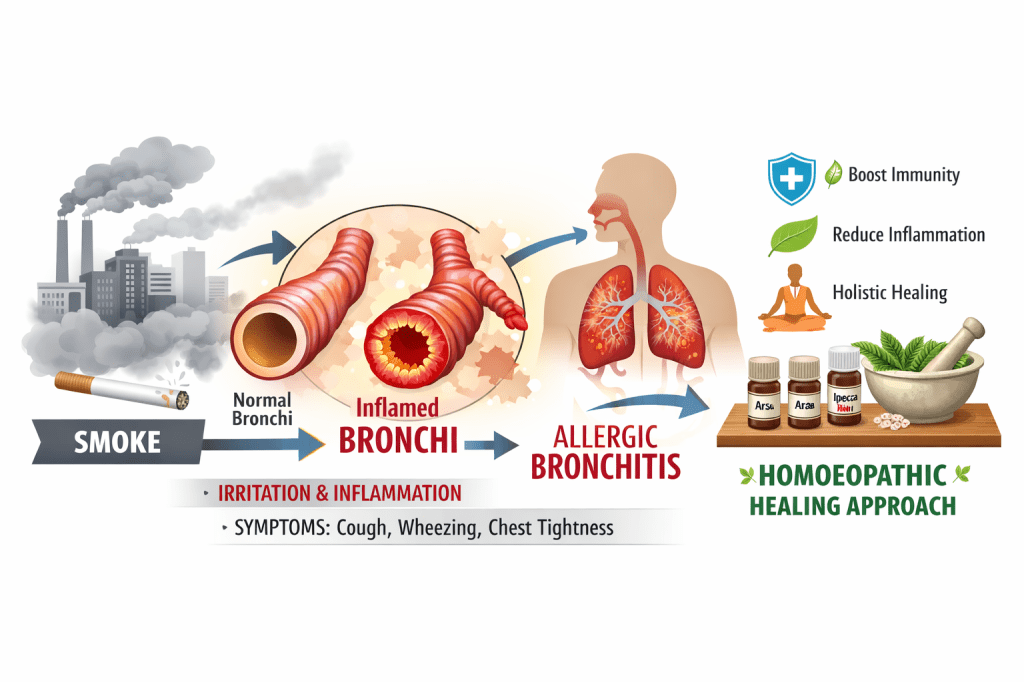
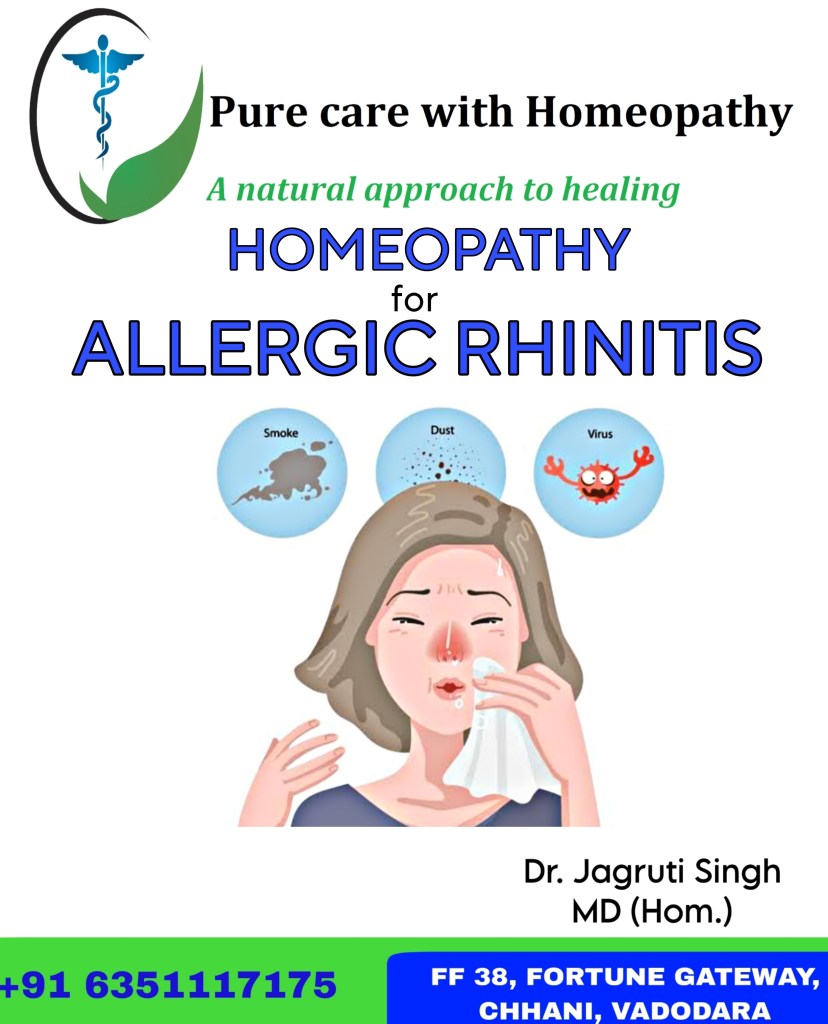
Allergic bronchitis is a respiratory condition characterized by inflammation of the bronchial tubes due to allergic triggers such as dust, pollen, smoke, or chemical irritants. Among these triggers, smoke—whether from tobacco, pollution, burning biomass, or firecrackers—plays a significant role in aggravating respiratory symptoms and worsening the disease process.
How Smoke Affects a Person with Allergic Bronchitis
Smoke contains numerous harmful particles and chemicals such as carbon monoxide, nitrogen oxides, sulfur compounds, and fine particulate matter (PM2.5). When inhaled, these substances irritate the respiratory mucosa and can significantly worsen symptoms in individuals with allergic bronchitis. In susceptible individuals, smoke exposure can lead to:
Increased Bronchial Inflammation Smoke irritates the lining of the bronchial tubes, causing swelling and inflammation. This leads to narrowing of airways and difficulty in breathing.
Excess Mucus Production The respiratory tract responds to irritants by producing more mucus. This causes persistent cough, throat irritation, and a feeling of chest congestion. Exacerbation of Allergic Response Smoke acts as a trigger that stimulates the immune system, leading to hypersensitivity reactions. Patients may experience wheezing, breathlessness, chest tightness, and repeated coughing episodes.
Reduced Lung Defense Mechanisms The natural cleaning mechanism of the lungs, involving cilia (tiny hair-like structures), becomes impaired by smoke. This makes the lungs more vulnerable to infections and chronic inflammation.
Repeated exposure can gradually worsen the condition and may even contribute to the development of chronic respiratory disorders such as asthma or chronic bronchitis.
Homoeopathic Perspective
From a homoeopathic standpoint, allergic bronchitis is not merely a localized inflammation of the bronchial tubes but a manifestation of an underlying constitutional susceptibility.
According to the principles described in the Organon of Medicine, treatment should focus on restoring the body’s natural balance and strengthening the vital force rather than only suppressing symptoms.Homoeopathy adopts an individualized approach, considering the patient’s constitution, susceptibility to allergens, environmental factors, and the characteristic symptoms.
Role of Homoeopathy in Allergic Bronchitis
Homoeopathic management in cases aggravated by smoke exposure aims to:
• Reduce hypersensitivity of the respiratory tract
• Improve immune response to allergens
• Decrease frequency and severity of attacks
• Support natural healing of the bronchial mucosa
Commonly indicated remedies (depending on individual symptom patterns) include:
Arsenicum album – often useful when breathlessness worsens at night with anxiety and burning sensations in the chest.
Ipecacuanha – indicated in cases with persistent cough, wheezing, and excessive mucus with nausea.
Antimonium tartaricum – helpful where there is rattling of mucus in the chest and difficulty in expectoration.
Natrum sulphuricum – frequently considered in respiratory complaints aggravated by damp weather or environmental triggers.
These medicines are selected based on the totality of symptoms, ensuring a patient-centered and holistic treatment plan.
Integrated Management
Along with homoeopathic treatment,
certain lifestyle precautions are essential:
Avoid exposure to smoke and polluted environments.
Maintain proper ventilation at home.Use masks in high-pollution areas.
Keep the immune system strong with adequate nutrition and hydration.
ConclusionSmoke exposure is a significant aggravating factor for individuals suffering from allergic bronchitis.
It intensifies airway inflammation, mucus production, and hypersensitivity reactions.
A homoeopathic approach, grounded in individualization and holistic healing, can play an important supportive role by addressing the patient’s constitutional susceptibility and enhancing the body’s natural defense mechanisms. When combined with environmental precautions and healthy lifestyle practices, homoeopathy can contribute to improved respiratory health and better quality of life for patients suffering from allergic bronchitis.
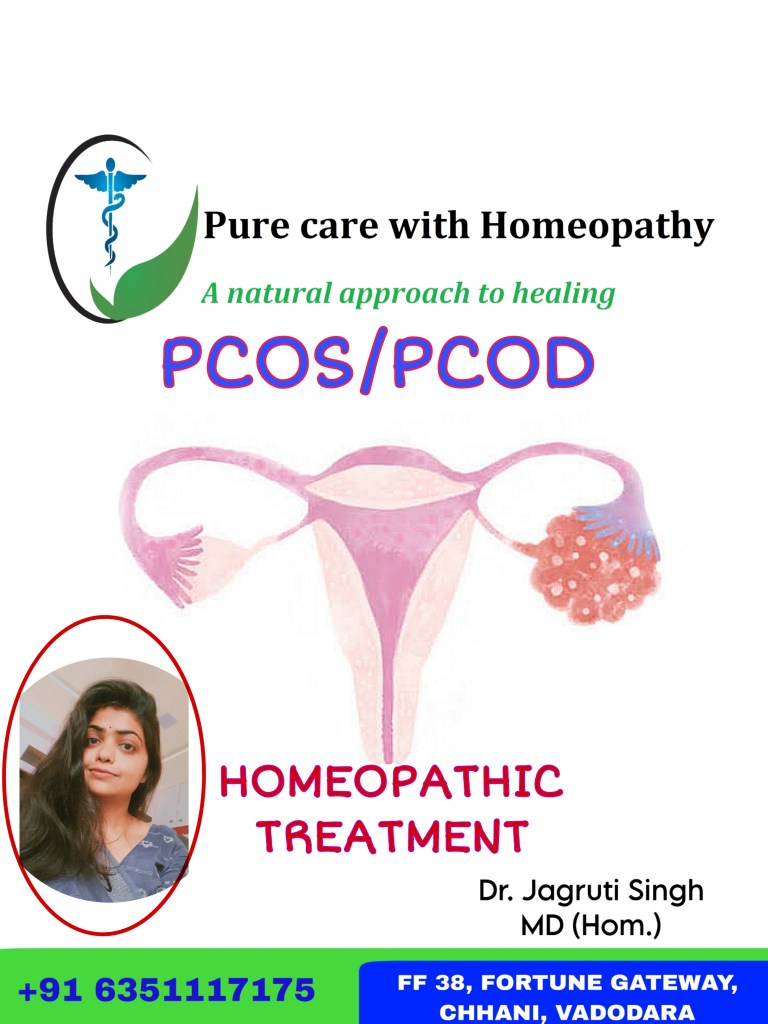
Polycystic Ovary Syndrome (PCOS) is one of the most common endocrine disorders affecting women of reproductive age. It is characterized by irregular or absent menses, hyperandrogenism, ovarian cystic changes, and metabolic disturbances. In many patients, the core disturbance lies in ovarian hormonal dysregulation and altered hypothalamic–pituitary–ovarian (HPO) axis signaling, which ultimately affects the normal menstrual rhythm.
From a homoeopathic perspective, menstrual irregularity in PCOS is not merely a local ovarian problem but represents a systemic disturbance of the vital force affecting the reproductive sphere. According to the principles described in the Organon of Medicine by Samuel Hahnemann, treatment aims to restore harmony in physiological functioning rather than only suppress symptoms.
One of the classical remedies used in menstrual irregularities is Senecio aureus, commonly known as Golden Ragwort. In homoeopathic practice, the mother tincture (Q) of Senecio aureus has traditionally been used when menstrual function is suppressed, delayed, or irregular, particularly when associated with functional ovarian disturbances.
Physiological Action in PCOS Senecio aureus is believed to exert a regulatory influence on the female reproductive organs, particularly the uterus and ovaries.
Clinically, it has been observed to help stimulate menstrual activity when menses are delayed or absent, which is a common presentation in PCOS patients with oligomenorrhea or secondary amenorrhea.
The mother tincture is thought to act by:
Supporting uterine tone and circulation
Stimulating physiological menstrual flow when suppressed
Improving ovarian responsiveness within the endocrine axis
Helping re-establish the natural rhythm of the menstrual cycle Unlike hormonal suppression used in conventional therapy, the homoeopathic approach seeks to encourage the body’s inherent regulatory mechanisms. When indicated, Senecio aureus may assist the organism in gradually restoring the normal cyclical activity of the reproductive system.
Clinical Indications in PCOS In clinical homoeopathic practice, Senecio aureus may be considered when PCOS patients present with:
Integrative Perspective PCOS management benefits from a holistic approach, combining lifestyle regulation, dietary balance, stress management, and individualized homoeopathic treatment. Remedies like Senecio aureus are not intended to replace constitutional prescribing but can serve as supportive therapeutic tools when symptom similarity is present. By addressing menstrual irregularity through physiological stimulation rather than suppression, homoeopathy aligns with the concept of restoring equilibrium within the organism, a core principle emphasized in classical homoeopathic philosophy.
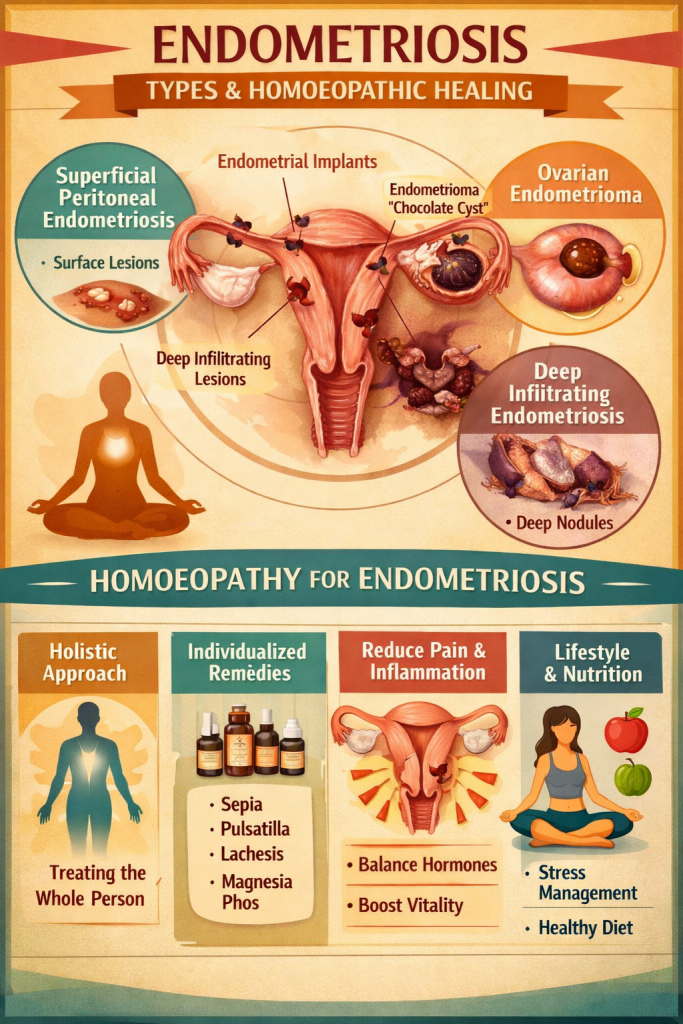
Endometriosis is a chronic gynecological condition in which tissue similar to the endometrial lining of the uterus grows outside the uterine cavity. This misplaced tissue continues to respond to hormonal changes during the menstrual cycle, leading to inflammation, pain, and sometimes infertility.
Affecting a significant number of women during their reproductive years, endometriosis is not merely a structural disorder but a complex condition involving hormonal, immunological, and inflammatory mechanisms. Types of Endometriosis Clinically and pathologically, endometriosis is broadly classified into three main types:
Superficial Peritoneal Endometriosis This is the most common form, where small lesions appear on the peritoneum (the lining of the pelvic cavity). These implants may be red, black, or white and can cause pelvic pain, especially during menstruation.
Ovarian Endometriosis (Endometrioma) In this type, cysts form on the ovaries and are commonly known as “chocolate cysts” because they contain thick, old blood. Ovarian endometriomas may affect ovarian function and are often associated with infertility.
Deep Infiltrating Endometriosis (DIE) This is a more severe form where endometrial-like tissue penetrates deeper into pelvic organs such as the uterosacral ligaments, rectovaginal septum, bladder, or intestines. Women with DIE often experience severe dysmenorrhea, painful intercourse, and chronic pelvic pain. Pathophysiology and Clinical Presentation From a pathological perspective, endometriotic lesions produce inflammatory mediators and prostaglandins, which contribute to pain and adhesions. Common symptoms include severe menstrual cramps, pelvic pain, heavy menstrual bleeding, pain during intercourse, and difficulty conceiving. However, the severity of symptoms does not always correlate with the extent of disease. Modern medical management often includes hormonal therapy, analgesics, or surgical intervention. While these methods may provide symptomatic relief, recurrence is not uncommon.
Homoeopathic Perspective and Integrated Healing Homoeopathy approaches endometriosis from a holistic and individualized standpoint. According to the principles laid down in Samuel Hahnemann’s Organon of Medicine, disease is viewed as a dynamic disturbance of the vital force rather than merely a structural pathology. Therefore, treatment is directed toward restoring balance within the organism rather than only suppressing local lesions. In homoeopathic practice, the selection of the remedy is based on the totality of symptoms—including physical complaints, emotional disposition, menstrual characteristics, and constitutional tendencies. This individualized approach allows the physician to address not only the pathological manifestations but also the patient’s overall susceptibility. From the standpoint of MD (Homoeopathy) in Practice of Medicine, understanding the pathology of endometriosis is crucial for proper case management. Diagnostic tools such as ultrasound or laparoscopy help confirm the condition, while homoeopathic treatment works to reduce inflammation, regulate hormonal imbalance, and improve the patient’s general vitality. Commonly indicated remedies in clinical practice may include Sepia, Lachesis, Pulsatilla, Belladonna, or Magnesia phosphorica, depending on the patient’s symptom picture. For instance, Sepia is often considered in women with pelvic congestion, bearing-down sensations, and irritability, while Magnesia phosphorica may help when pain is spasmodic and relieved by warmth. The Integrated Approach An integrated approach combining homoeopathic constitutional treatment with lifestyle regulation, stress management, and nutritional support can be beneficial. Homoeopathy aims to reduce the frequency and intensity of pain, regulate menstrual cycles, and improve reproductive health while supporting the body’s inherent healing capacity. In conclusion, endometriosis is a multifactorial condition that requires careful evaluation and individualized management. Homoeopathy, guided by the principles of the Organon and supported by modern pathological understanding, offers a gentle yet profound therapeutic approach aimed at restoring harmony in the patient as a whole.
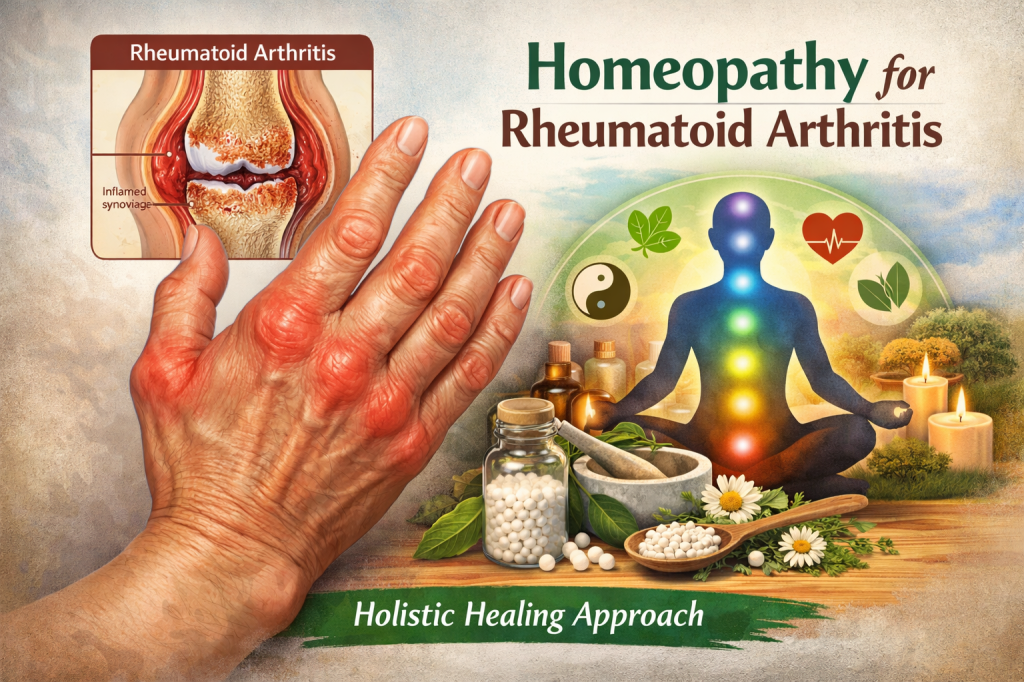
Rheumatoid Arthritis (RA) is a chronic autoimmune disorder characterized by persistent inflammation of synovial joints, progressive joint destruction, pain, stiffness, and functional disability.
From a pathological perspective as a Assistant Professor of Pathology,RA involves autoimmune-mediated synovial inflammation leading to pannus formation, cartilage erosion, and bone damage. While conventional medicine focuses on immunosuppression and symptomatic relief, homoeopathy approaches the disease from a deeper, individualized perspective—aiming to stimulate the body’s inherent healing mechanisms.
As emphasized by Organon of Medicine, the fundamental principle of homoeopathy is “Similia Similibus Curentur” (like cures like). According to Hahnemann, disease is not merely a structural pathology but a disturbance of the vital force, which manifests through symptoms at physical, mental, and emotional levels. In autoimmune diseases like RA, this disturbed vital force leads the body to mistakenly attack its own tissues. Homoeopathic treatment aims to correct this imbalance rather than merely suppress the inflammatory response.
From a pathological standpoint, RA involves autoimmune activation with inflammatory cytokines, synovial proliferation, and immune complex deposition in joints. However, homoeopathy does not prescribe solely based on the pathological diagnosis.
Instead, the totality of symptoms—including modalities, constitution, mental state, and individual susceptibility—is considered. This individualized prescription is one of the strengths of homoeopathic therapeutics in chronic autoimmune conditions.
Several homoeopathic remedies have demonstrated clinical usefulness in cases presenting with rheumatoid pathology. For example: Rhus Toxicodendron is often indicated in patients with stiffness aggravated by rest and relieved by motion, with joint pain worse in damp weather. Bryonia Alba may be useful when pain worsens with the slightest movement and improves with rest, accompanied by swelling and dryness of mucous membranes. Causticum can be considered in cases with chronic joint deformities and progressive stiffness. Pulsatilla may benefit patients with migratory joint pains and symptoms that change frequently, especially in gentle, emotionally sensitive individuals.
In clinical practice, a homoeopathic physician evaluates the miasmatic background of the patient as well. Chronic autoimmune conditions like RA often show a complex interplay of psoric, sycotic, and syphilitic miasms, which influence disease progression and remedy selection.
Addressing the underlying miasmatic tendency can help reduce recurrence, slow joint damage, and improve overall vitality.
Research and clinical observations suggest that homoeopathy may help in reducing pain, stiffness, swelling, and improving joint mobility in RA patients when treatment is individualized.
Moreover, homoeopathic medicines are administered in highly potentized doses, which are gentle, non-toxic, and generally free from adverse effects when prescribed correctly.
It is important to understand that homoeopathy does not aim for quick symptomatic suppression but for long-term regulation of immune imbalance.
With proper case-taking, constitutional prescribing, and regular follow-up, many patients experience improvement not only in joint symptoms but also in energy levels, sleep, emotional well-being, and general health.
In conclusion, homoeopathy offers a holistic and individualized therapeutic approach in the management of Rheumatoid Arthritis. By integrating principles from the Organon, understanding pathological processes, and applying constitutional remedies, a qualified homoeopathic practitioner can help support the body’s healing response and improve the quality of life of individuals suffering from this chronic autoimmune disease.
Can Homoeopathy Help Prevent Seasonal Viral Infections? Every year, with changing seasons, we see a rise in viral fevers, common cold, influenza, sore throat, and respiratory infections. While treatment is important, prevention is always better than cure. Homoeopathy offers a unique preventive approach known as prophylaxis or Genus Epidemicus, where a carefully selected remedy is given to strengthen the body’s resistance against a particular seasonal epidemic.
Developed by Samuel Hahnemann, homoeopathy works by stimulating the body’s natural defense mechanism rather than directly attacking pathogens. When used appropriately, it may help the body become less susceptible to seasonal infections. Research initiatives supported by the Ministry of AYUSH and the Central Council for Research in Homoeopathy continue to explore the role of homoeopathy in preventive healthcare and epidemic management. Homoeopathy is gentle, safe, and suitable for all age groups, making it a valuable supportive approach in maintaining health during seasonal changes.
Homoeopathy for Seasonal Viral Prevention 🛡️ Helps strengthen immunity 🌿 Gentle and safe for children and adults ⚖️ Works on the principle of individualized medicine 🧬 Supports the body’s natural defense system 🌡️ May help reduce frequency and severity of viral infections Commonly considered remedies during viral seasons • Arsenicum album
Influenzinum
Gelsemium
Bryonia ⚕️ Consult a qualified homoeopathic physician for proper guidance.
At Pure Care with Homeopathy, we believe that true healing is not suppressing symptoms – it’s about restoring balance in the mind, body, and emotions.
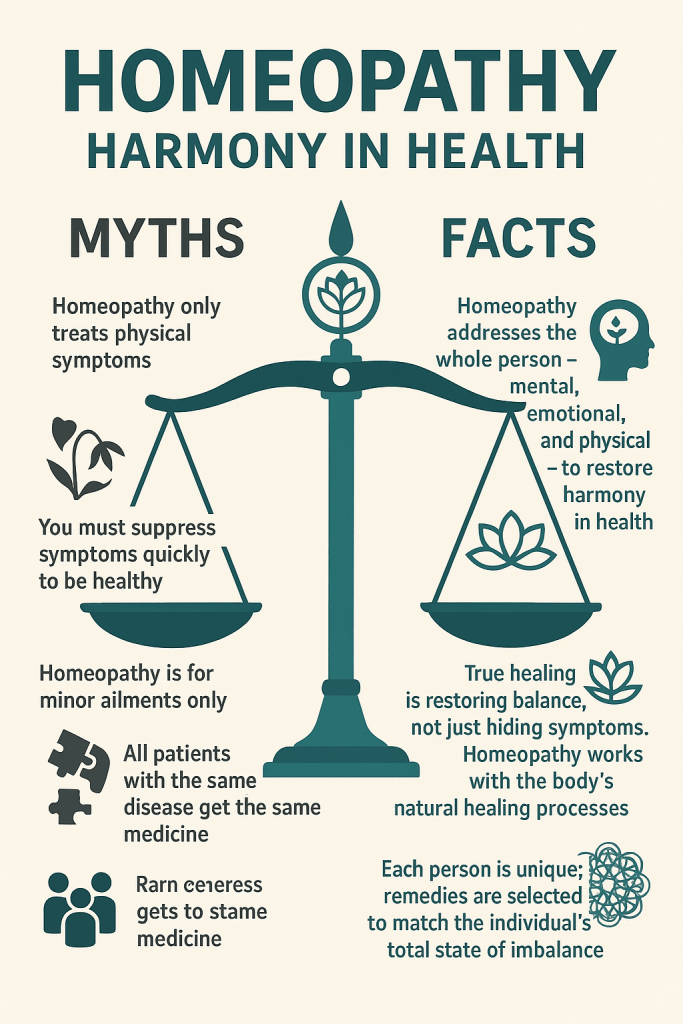
Unfortunately, homeopathy has often been misunderstood, surrounded by myths that keep people from experiencing its full benefits.
Let’s clear the air with facts that honor the science and philosophy of homeopathy.
Myth 1: Homeopathy only treats physical symptoms Fact: Homeopathy takes a holistic approach, addressing mental, emotional, and physical well-being together. By considering the whole person, remedies aim to bring harmony to all levels of health.
Myth 2: You must suppress symptoms quickly to be healthy Fact: Suppressing symptoms may give short-term relief but doesn’t address the root cause. Homeopathy focuses on long-lasting healing by supporting the body’s natural ability to restore balance.
Myth 3: Homeopathy is only for minor ailments Fact: While homeopathy is effective for everyday issues, it can also help manage chronic and deep-rooted conditions. It works by gently stimulating the body’s innate healing response, no matter how complex the imbalance.
Myth 4: All patients with the same disease get the same medicine Fact: In homeopathy, each person is unique. Even if two people have the same diagnosis, their remedies may be completely different, depending on their physical symptoms, mental state, and emotional history.
Myth 5: Rare cases get the same medicine Fact: This is one of the biggest misconceptions. Homeopathy is personalized medicine. Remedies are carefully selected after detailed consultation, ensuring they match the individual’s total state of imbalance.
✨ At Pure Care with Homeopathy, we pride ourselves on treating each patient as an individual, offering compassionate care and tailored remedies. Whether you’re seeking help for chronic illness, emotional stress, or simply to maintain your well-being, homeopathy offers a gentle yet powerful path to better health.
DR. JAGRUTI SINGH, BHMS, MD(Hom.)
📍 Clinic: Pure Care with Homeopathy 📞 Contact: 63511 17175 📧 Email. homeopurecare@gmail.com 📍 Location: Chhani, vadodara
Because true health is not just the absence of disease, but the presence of balance, peace, and vitality. 🌿
Happy Friendship Day from Pure Care with Homeopathy!
On this special occasion of Friendship Day, we extend our warm wishes to you and celebrate a very special bond — the one between you and your health.
At Pure Care with Homeopathy, we believe that healing is not just about curing symptoms — it’s about nurturing relationships: with your body, your mind, your emotions, and yes, even with your medicines.
Practicing in vadodara since last 4years and seen more than 1000 casesin lifetime, we stand by each one of you.
Just like a true friend, homeopathy walks beside you gently, listens deeply, and supports your natural healing abilities — without overpowering, without harming.
🧡 How Friendship with Homeopathy Impacts Your Health
1. A Friend Who Understands You Deeply Homeopathy is based on the principle of individualization. Just like every friendship is unique, every person’s remedy is unique too. Homeopathy doesn’t treat just the disease — it understands your story, your feelings, and your lifestyle. That personal connection can create deep, lasting healing.
2. A Gentle, Trustworthy Companion True friendship never harms — and neither does homeopathy. It’s safe, non-toxic, and works in harmony with your body’s natural rhythms. Whether it’s stress, chronic illness ,pains, gut health, skin , or lifestyle-related conditions, homeopathy supports you with care, not chemicals.
3. Healing Beyond the Physical Real friends care for your emotional well-being — and so does homeopathy. From anxiety and insomnia to grief and fatigue, it offers gentle emotional healing that reflects true inner balance.
4. A Partner in Prevention Good friends help you stay out of trouble. Homeopathy not only treats but also strengthens your immunity, improves energy, and helps prevent future illness — especially when taken as part of a consistent wellness plan.
🌿 A Note of Gratitude
Today, on Friendship Day, we thank you for trusting us as your healing partner. May your journey to wellness be filled with harmony, happiness, and health — with homeopathy as your forever friend.
Happy Friendship Day! With warmth and care, Dr. JagRuti Singh Pure Care with Homeopathy


 Pure Care with Homeopathy