Molluscum contagiosum is caused by a virus known as the molluscum contagiosum virus (MCV), which is a member of the poxvirus family.
Here are some key points about its transmission:
Direct Skin-to-Skin Contact: The virus spreads through direct contact with the skin of an infected person.
Contaminated Objects: It can also spread by touching objects that have been in contact with the virus, such as towels, clothing, or toys.
Sexual Contact: In adults, molluscum contagiosum can be transmitted through sexual contact.
Autoinoculation: This occurs when a person spreads the virus to different parts of their own body by scratching or touching the bumps and then touching other areas of their skin.
The virus thrives in warm, humid environments, making it more common in places like swimming pools and gyms.
While molluscum contagiosum is generally harmless and often resolves on its own, it’s always a good idea to consult a healthcare professional for proper diagnosis and treatment options.
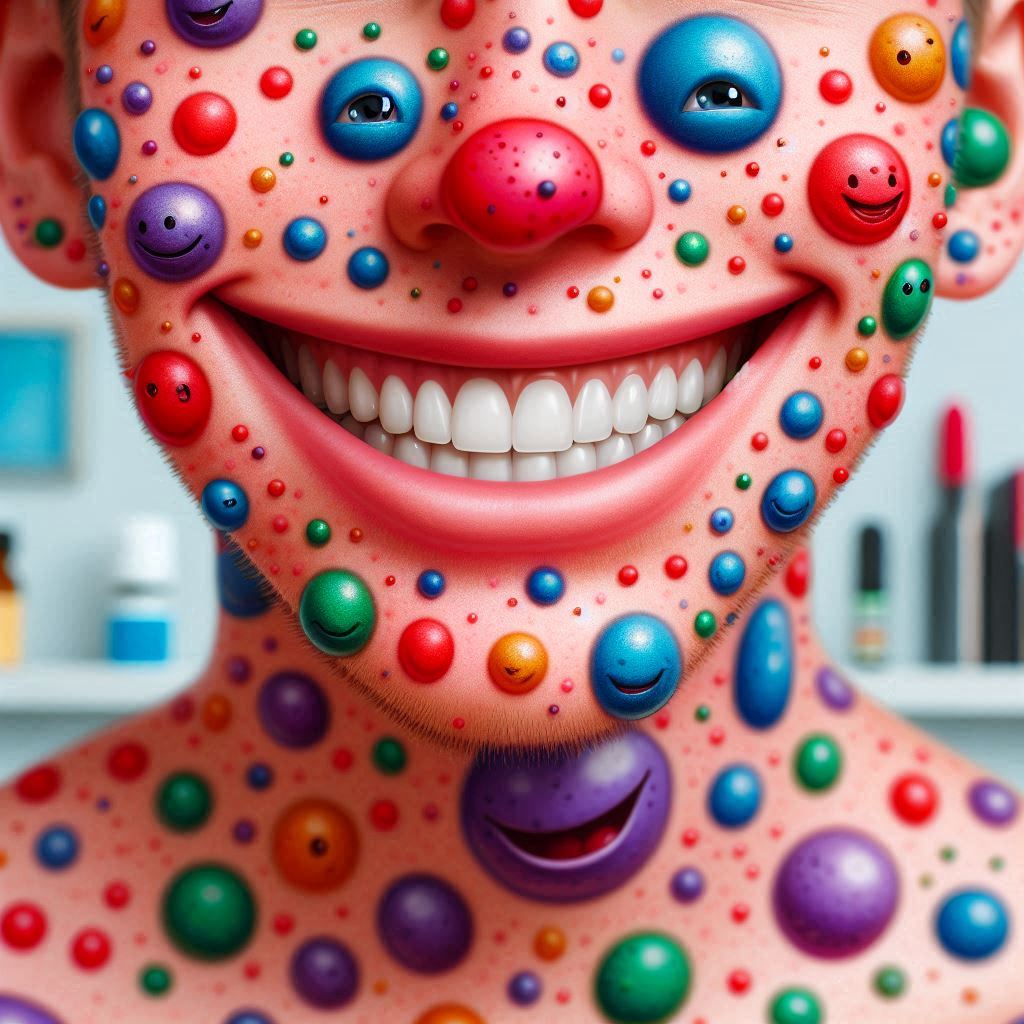
Molluscum contagiosum typically presents with the following symptoms:
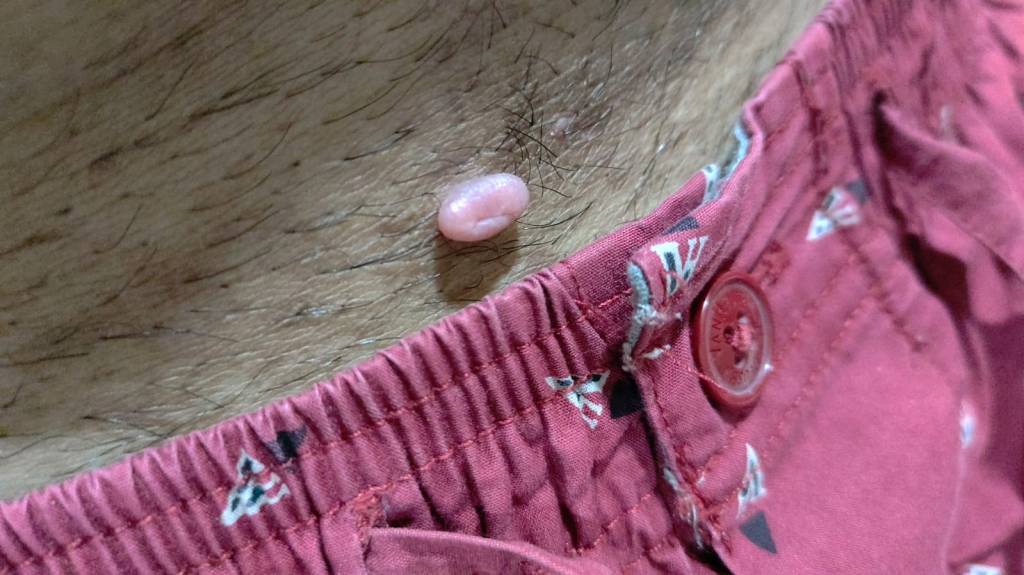
- Bumps on the Skin: Small, firm, and flesh-colored bumps that are usually painless. These bumps can be:
- Dome-shaped with a dimpled center.
- Smooth and shiny.
- About 2 to 5 millimeters in diameter.
- Location: The bumps can appear anywhere on the body but are most commonly found on the:
- Face, neck, armpits, arms, and hands in children.
- Genital area, lower abdomen, and inner thighs in adults (often spread through sexual contact).
- Number of Bumps: There can be a single bump or multiple bumps, sometimes appearing in clusters.
- Itching or Irritation: While the bumps are usually painless, they can sometimes become itchy or irritated, especially if scratched.
- Secondary Infections: Scratching the bumps can lead to secondary bacterial infections, causing redness, swelling, and pus.
- Duration: The bumps can last from a few months to a couple of years if left untreated, but they often resolve on their own without scarring.
If you notice any of these symptoms, it’s a good idea to consult a healthcare professional for an accurate diagnosis and appropriate treatment options
Here are some commonly used homeopathic remedies for treating molluscum contagiosum:
- Mercurius Solubilis (Merc Sol): Often used for skin conditions with pustules and ulcers, especially when there is a tendency for the eruptions to become infected.
- Natrum Muriaticum (Nat Mur): Useful for treating eruptions that are dry and scaly, particularly when the skin is sensitive and prone to cracking.
- Silicea: Effective for treating persistent and slow-healing skin conditions, especially when the eruptions are hard and nodular.
- Sulphur: Commonly used for various skin conditions, including molluscum contagiosum, particularly when there is intense itching and burning.
- Kali Iodatum (Kali Iodat): Helpful for treating skin conditions with thick, crusty eruptions, especially when there is a tendency for the eruptions to spread.
- Thuja Occidentalis: One of the most frequently used remedies for warts and similar skin conditions, including molluscum contagiosum. It is particularly effective for treating eruptions that are fleshy and have a cauliflower-like appearance.
These remedies are selected based on the individual’s specific symptoms and overall health condition. It’s important to consult with a qualified homeopathic practitioner to determine the most appropriate remedy and dosage for your specific case.
feel free to contact us for further information and treatment of molluscum contagiosum.
address :vadodara gujarat
contact number :63511 17175
 Pure Care with Homeopathy