Introduction
Monkeypox, now referred to as Mpox, is a viral zoonotic disease that has recently garnered global attention due to its spread and impact. Although it shares similarities with smallpox, Mpox is generally less severe. This blog aims to provide a comprehensive overview of Mpox, focusing on its causes, symptoms, homeopathic treatment options, and precautions, particularly in the Indian context.
Causes of Monkeypox
Mpox is caused by the Mpox virus, which belongs to the Orthopoxvirus genus. The virus was first identified in monkeys in 1958, hence the name. However, it primarily affects rodents and other small mammals. The first human case was recorded in 1970 in the Democratic Republic of Congo1.
The virus spreads through:
- Direct contact with the blood, bodily fluids, or skin lesions of infected animals.
- Human-to-human transmission via respiratory droplets, close contact with an infected person’s sores, or contaminated materials like bedding2.
Symptoms of Monkeypox
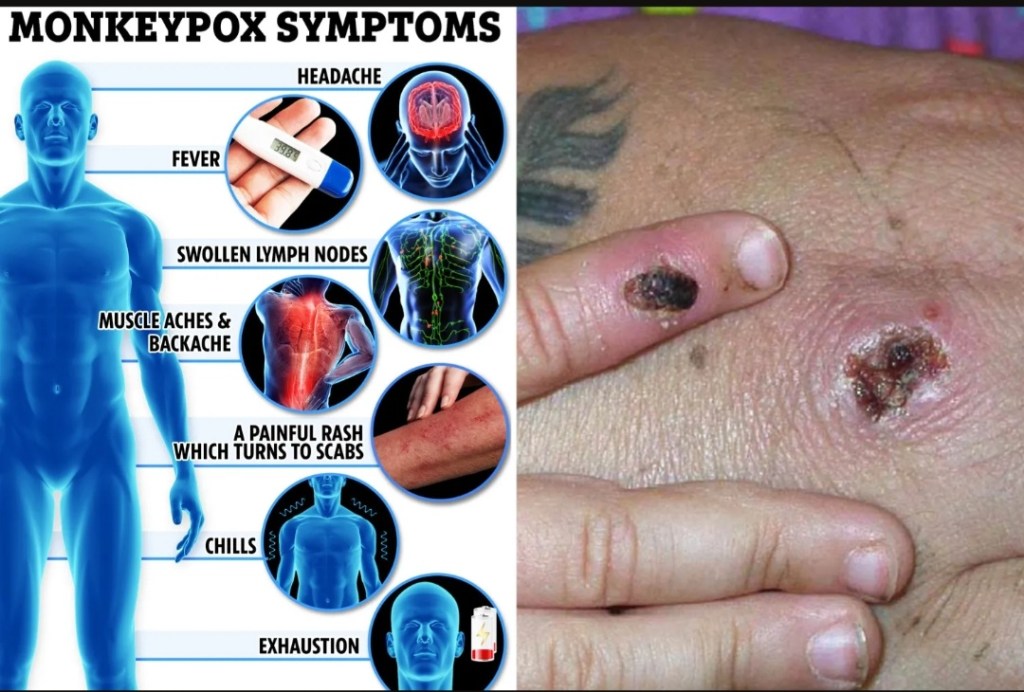
Mpox symptoms typically appear 5 to 21 days after exposure and can last for 2 to 4 weeks. The symptoms include:
- Fever
- Headache
- Muscle aches
- Backache
- Swollen lymph nodes
- Chills
- Exhaustion
- Rash that starts on the face and spreads to other parts of the body, evolving from macules to papules, vesicles, pustules, and finally scabs.
Homeopathic Medicines for Monkeypox
Homeopathy offers a holistic approach to managing Mpox symptoms. While there is no specific homeopathic cure for Mpox, certain remedies can help alleviate symptoms and boost the immune system. Always consult a qualified homeopath for personalized treatment. Some commonly used remedies include:
- Rhus Toxicodendron: Effective for treating skin eruptions and rashes.
- Belladonna: Useful for managing fever and inflammation.
- Arsenicum Album: Helps with skin lesions and general weakness.
- Sulphur: Known for treating various skin conditions and itching.
- Mercurius Solubilis: Beneficial for swollen lymph nodes and skin ulcers.
Precautions to Prevent Monkeypox
Preventing the spread of Mpox involves several measures:
- Avoid close contact with infected individuals or animals.
- Isolate infected persons to prevent transmission.
- Practice good hygiene: Wash hands frequently with soap and water.
- Use personal protective equipment (PPE) when caring for infected individuals.
- Avoid handling materials that have been in contact with an infected person or animal.
India’s Response to Monkeypox
India has taken several steps to manage and prevent Mpox outbreaks.
The Union Health Ministry has heightened surveillance at international airports and land ports, especially those bordering Bangladesh and Pakistan.
Hospitals in major cities like New Delhi have been designated as nodal centers for isolation and treatment.
Conclusion
Mpox, while concerning, can be managed effectively with proper precautions and timely medical intervention. Homeopathy offers supportive care that can help alleviate symptoms and strengthen the immune system. By staying informed and vigilant, we can collectively work towards minimizing the impact of this disease in India.
Pure Care with Homeopathy – Homeopathic Clinic in vadodara, Gujarat
Dr. JAGRUTI SINGH , MD(Homoepathy)
contact number 63511 17175
Call for query and consultation.
regards.
 Pure Care with Homeopathy